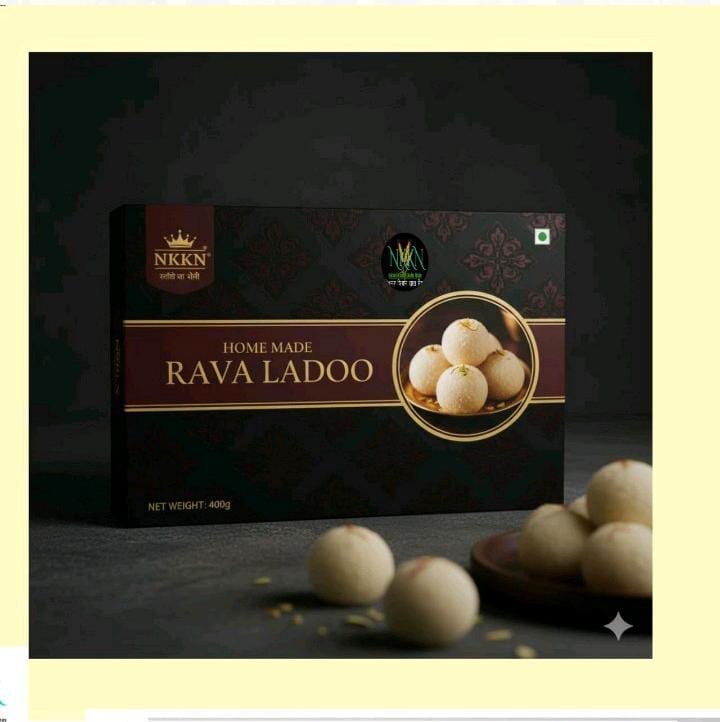
Few sweets in Indian cuisine are as universally loved and instantly recognizable as Rawa Laddu. Soft yet slightly grainy, fragrant with cardamom, and enriched with ghee and nuts, this humble dessert holds a permanent place in festive celebrations, family gatherings, and everyday indulgence.
Rawa Laddu is not just a sweet — it is an emotion shaped into a perfect golden sphere. It represents warmth, tradition, hospitality, and the joy of sharing something homemade.
In this blog, we explore the origins, cultural relevance, ingredients, health aspects, preparation techniques, modern adaptations, and why Rawa Laddu continues to remain a favorite across generations.
What Is Rawa Laddu?
Rawa Laddu, also known as Suji Laddu or Semolina Laddu, is a traditional Indian sweet made primarily from semolina (rawa or suji), ghee, sugar, and flavored with cardamom. Nuts and raisins are often added for richness and texture.
The defining feature of Rawa Laddu is its delicate grainy texture. Unlike besan laddu, which is dense and smooth, rawa laddu has a light crumble that melts in the mouth while retaining subtle structure.
Its simplicity is what makes it extraordinary.
The Cultural Significance of Rawa Laddu
Rawa Laddu has long been associated with auspicious occasions. It is commonly prepared during:
- Diwali
- Ganesh Chaturthi
- Navratri
- Weddings
- Naming ceremonies
- Housewarming celebrations
- Religious offerings
In many households, it is one of the first sweets children learn to help prepare, as the recipe is simple and does not require complex techniques.
Offering laddus symbolizes sweetness in life, prosperity, and goodwill. Rawa Laddu, because of its approachable ingredients, became a staple in homes across regions.
The Beauty of Simple Ingredients
One of the greatest strengths of Rawa Laddu is that it requires only a handful of pantry staples.
1. Semolina (Rawa / Suji)
Semolina is the heart of this sweet. Made from durum wheat, it has a slightly coarse texture that gives the laddu its characteristic graininess. When roasted in ghee, it develops a warm, nutty aroma.
2. Ghee
Ghee binds the mixture and enhances flavor. Its richness balances the dryness of semolina and ensures the laddus hold their shape.
3. Sugar
Powdered sugar blends smoothly into the roasted semolina. Some variations use boora sugar or fine granulated sugar.
4. Cardamom
Cardamom adds fragrance and warmth. Even a small amount transforms the flavor profile completely.
5. Nuts and Raisins
Cashews, almonds, pistachios, and raisins are common additions. They provide crunch and natural sweetness.
These few ingredients, when handled properly, create a dessert that feels luxurious despite its simplicity.
The Importance of Roasting
The secret to perfect Rawa Laddu lies in roasting the semolina correctly.

Under-roasted semolina tastes raw and unpleasant. Over-roasted semolina can turn bitter. The roasting must be done slowly over low to medium heat with continuous stirring.
As it roasts:
- The color changes slightly.
- The aroma becomes nutty.
- The grains feel lighter and separate easily.
This step defines the final taste and texture. Patience here guarantees perfection later.
Step-by-Step Traditional Recipe
Here is a classic method for making Rawa Laddu at home.
Ingredients
- 2 cups semolina (fine rawa)
- 1 cup powdered sugar
- ½ to ¾ cup ghee
- ¼ cup chopped nuts
- 2 tablespoons raisins
- ½ teaspoon cardamom powder
- 2–3 tablespoons warm milk (optional, for binding)
Method
- Heat ghee in a heavy-bottomed pan.
- Add semolina and roast on low flame.
- Stir continuously to avoid burning.
- Roast until it becomes aromatic and lightly golden.
- In a separate pan, fry nuts and raisins in a little ghee.
- Let the roasted semolina cool slightly.
- Add powdered sugar, cardamom, nuts, and raisins.
- Mix thoroughly.
- If needed, sprinkle warm milk for better binding.
- Shape into round laddus while the mixture is warm.
Allow them to cool completely before storing in an airtight container.
Texture: The Signature Element
The charm of Rawa Laddu lies in its texture.
- Slightly crumbly
- Soft when bitten
- Subtly grainy
- Not overly dense
The ratio of ghee and sugar affects texture greatly. Too much ghee makes it greasy. Too little makes it dry and crumbly.
Balance is everything.
Variations Across India
Different regions add their own touch to Rawa Laddu.
Coconut Rawa Laddu
Grated dry coconut is added for a richer, tropical flavor.
Condensed Milk Version
Condensed milk replaces sugar and milk, making the laddus softer and quicker to prepare.
Jaggery Rawa Laddu
Jaggery is used instead of sugar for a deeper caramel flavor and added minerals.
Dry Fruit Rawa Laddu
Loaded with almonds, pistachios, and cashews for festive richness.
Instant Rawa Laddu
Made using ready-roasted semolina for convenience.
Each variation retains the soul of the original while offering a slight twist.
Nutritional Aspects
- Semolina offers carbohydrates for energy.
- Ghee contains healthy fats when consumed in moderation.
- Nuts add protein and healthy fats.
- Raisins provide natural sweetness and iron.
While Rawa Laddu is a sweet treat, it provides certain nutritional elements.
Moderation is key, but compared to heavily processed desserts, Rawa Laddu uses recognizable, wholesome ingredients.
Why Rawa Laddu Remains Popular
In an age of elaborate desserts and global confections, Rawa Laddu continues to thrive.
Why?
- It is easy to make.
- Ingredients are affordable and accessible.
- It has a long shelf life.
- It carries nostalgic value.
- It fits both festive and everyday contexts.
It bridges the gap between tradition and convenience.
Perfect for Gifting
Rawa Laddu’s round shape and golden color make it visually appealing. It is often included in:
- Festive sweet boxes
- Wedding hampers
- Corporate gifts
- Return favors
- Family gift baskets
When packed beautifully, it reflects elegance and warmth.
Storage and Shelf Life
Rawa Laddu stores well in airtight containers.
- At room temperature: 7–10 days
- Refrigerated: up to 2 weeks
Avoid excess moisture, as milk can reduce shelf life.
Tips for Perfect Rawa Laddu
- Always roast on low heat.
- Use fine semolina for smoother texture.
- Add sugar only after semolina cools slightly.
- Shape while mixture is warm.
- Adjust ghee gradually for proper binding.
Small details create big differences.
Emotional Value
For many, Rawa Laddu is linked to childhood memories.
Helping in the kitchen.
Sneaking a warm laddu before it cools.
Waiting for festivals.
Watching elders shape perfect rounds effortlessly.
It is comfort wrapped in sweetness.
Modern Twists
Today, chefs and home bakers experiment creatively:
- Chocolate Rawa Laddu
- Saffron-infused version
- Vegan ghee alternatives
- Sugar-free variations
- Protein-enhanced laddus
Innovation keeps tradition alive without losing authenticity.
Pairing Ideas
Rawa Laddu pairs beautifully with:
- Evening tea
- Filter coffee
- Warm milk
- Festive thali spreads
- Ice cream (crumbled topping)
Its versatility adds to its charm.
The Science Behind Binding
Binding depends on fat and moisture.
Ghee coats semolina grains. Sugar melts slightly from warmth. Milk, if added, creates cohesion.
The right warmth ensures perfect shaping.
Too cool — mixture won’t bind.
Too hot — sugar melts excessively.
Timing matters.
Homemade vs Store-Bought
Homemade Rawa Laddu offers freshness and emotional value.
Store-bought versions provide convenience and uniformity.
Choosing quality ingredients and proper preparation ensures the best experience, whether homemade or professionally crafted.
Rawa Laddu for Every Season
While commonly made during festivals, Rawa Laddu fits every season.
In winter, it provides warmth.
In summer, it serves as a light sweet after meals.
During monsoons, it pairs perfectly with hot tea.
Its adaptability makes it timeless.
Sustainability and Simplicity
Rawa Laddu’s ingredient list is minimal and largely plant-based (except ghee). Its preparation requires no complicated machinery.
Simple food often leaves a lighter environmental footprint.
Returning to traditional sweets can mean returning to mindful cooking.
Teaching the Next Generation
Sharing recipes keeps culture alive.
When children learn to make Rawa Laddu, they learn:
- Patience in roasting
- Precision in measurement
- Appreciation for tradition
- Joy of sharing
Cooking becomes education.
Presentation Ideas
Elevate Rawa Laddu with:
- Edible silver leaf (varak)
- Saffron strands garnish
- Decorative paper cups
- Gold or pastel gift boxes
- Transparent jars with ribbons
Presentation enhances perceived value.
Common Mistakes to Avoid
- Skipping proper roasting
- Adding sugar while semolina is too hot
- Using coarse semolina unintentionally
- Not measuring ghee properly
- Overusing milk
Attention to detail guarantees excellence.
Conclusion
Rawa Laddu is more than a sweet. It is a celebration of simplicity.
It proves that extraordinary taste does not require complexity. With just semolina, ghee, sugar, and care, something beautiful is created.
In a world filled with trends that come and go,<a href=”http://<!– wp:separator –> <hr class=”wp-block-separator has-alpha-channel-opacity”/> Rawa Laddu stands steady — comforting, familiar, and forever relevant.
Every golden sphere tells a story of tradition, warmth, and shared joy.
And perhaps that is why, generation after generation, it continues to hold its place at the center of every celebration.